How to Start Trading as a Beginner with Confidence and Strategy
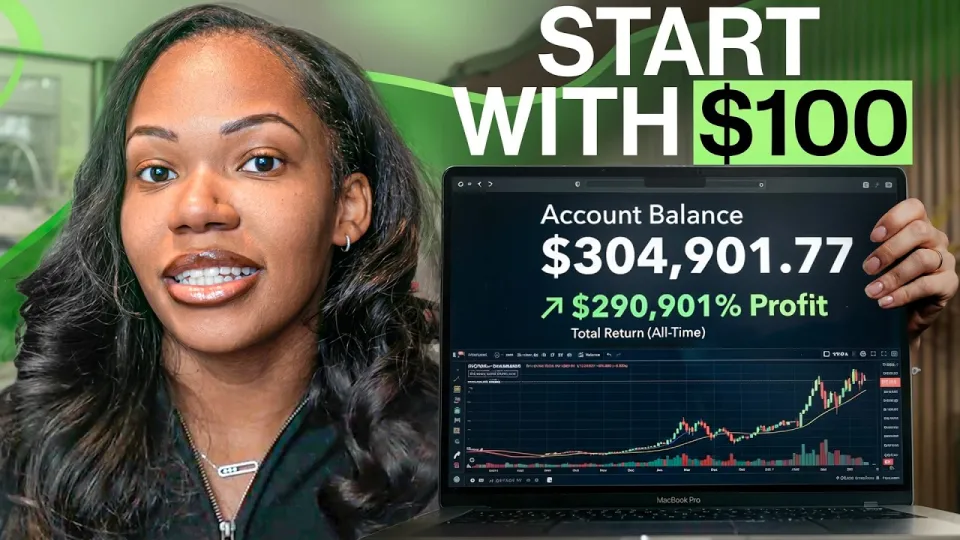
Video: How To Start Trading As A Beginner In 2026 (Step-by-Step)
Need articles like this for your video? They help promote it on YouTube and Google — order them in the Telegram bot @sat_sit_bot. The bot writes and publishes the articles itself (with your YouTube video embedded) on popular topical websites (no ads). Try it free: 50 articles on us.
Trading is the act of buying and selling financial instruments like stocks, options, or futures to profit from market fluctuations. To start trading as a beginner, you need a clear foundation, practice, and realistic expectations. Contrary to myths, you don’t need tens of thousands of dollars or a financial degree to begin. You can start with as little as $300 and build your skills methodically.
One of the most valuable resources for new traders is to join a community or mentorship like the Crystal Academy trading discord, where you get guidance and support while learning.
What Trading Really Is and What It Is Not
Trading is not a get-rich-quick scheme; it’s a skill that requires discipline, patience, and education. It involves buying assets with the expectation that their value will change favorably in the short or medium term. Unlike investing, which often focuses on long-term growth, trading aims to capitalize on price movements in days, hours, or even minutes.
Understanding this distinction helps set realistic goals and avoid frustration common among beginners.
Calls vs Puts and Options vs Futures Simplified
Options trading is a popular way to start because it offers flexibility and leverage. The two main types of options contracts are:
- Calls – Contracts that give the right to buy an asset at a set price before expiration.
- Puts – Contracts that give the right to sell an asset at a set price before expiration.
Futures contracts differ by obligating both parties to transact at a predetermined price and date, often used in commodities and indices.
Beginners should choose between options and futures based on their schedule and risk tolerance; options provide more control with defined risk, while futures can be more demanding and volatile.
Choosing the Right Broker and Charting Platform
Selecting a reliable broker is crucial. Many beginners use Webull due to its user-friendly interface, commission-free trades, and educational resources. You can sign up for Webull and receive free stocks as a bonus through this link: https://www.webull.com/k/SierraUSA.
For charting, TradingView is a highly recommended platform for beginners because it offers powerful charting tools and an active community sharing ideas.
The Three Key Concepts to Master First
Before placing real trades, focus on mastering these concepts:
- Market Structure – Understand how price moves in trends, support, and resistance levels.
- Candlestick Reading – Learn to interpret candlestick patterns that reveal market sentiment.
- Risk Management – Always define your risk per trade and use stop losses to protect capital.
These fundamentals create a solid base to analyze trades and manage your money wisely.
Why Most Beginners Quit and How to Avoid It
Statistics show that a majority of beginners quit within the first two months due to losses and emotional stress. Common pitfalls include overtrading, chasing quick profits, and ignoring trading psychology.
To avoid this, start with paper trading — simulated trading using virtual money — to build confidence without risking capital. Only move to live trading when you can consistently double your paper trading account, for example turning $1,000 into $2,000.
Give yourself grace and treat trading as a skill that takes months or years to refine, not a sprint.
Common Beginner Questions and Concerns
Many new traders struggle with reading charts, selecting strategies, or handling losses. It’s normal to feel overwhelmed by conflicting information online. Joining a mentorship or community can provide personalized help and accountability.
Patience is key; focusing on higher timeframes rather than minute-by-minute fluctuations reduces stress and improves decision-making. Remember, trading success often comes from consistent small wins rather than occasional big gains.
Useful Links
- Join the Crystal Academy trading community for mentorship and resources: https://whop.com/c/crystal-academy/youtube
- Webull broker sign-up (includes free stocks): https://www.webull.com/k/SierraUSA
- Sierra Aaliyah Instagram: https://www.instagram.com/sierra.aaliyah/
- Sierra Aaliyah TikTok: https://www.tiktok.com/@sierraxliyah
Conclusion
Starting trading as a beginner is achievable with the right mindset, tools, and education. Begin with a modest capital, practice extensively with paper trading, and learn key concepts such as market structure, candlestick reading, and risk management. Avoid chasing quick profits and prepare for the emotional challenges of trading. The channel Sierra Aaliyah offers valuable guidance and community support to help beginners navigate this journey successfully. For those ready to take the first step, joining the Crystal Academy trading discord is highly recommended to accelerate learning and build confidence.
Key takeaways
- Start with $300–$2,000 recommended for beginners
- Use paper trading to practice without risking real money
- Understand calls vs puts and options vs futures
- Master three key trading concepts before live trading
- Most beginners quit within two months without proper mindset
Questions & answers
Is trading a way to get rich quickly?
No, trading is not a get-rich-quick scheme. It requires time, education, discipline, and patience to become consistently profitable. Beginners should treat it as a skill to develop rather than a quick money-making method.
How much money do I need to start trading?
You don’t need a large amount to start. A recommended starting capital is between $300 and $2,000. It’s important to start small to manage risk and gain experience before increasing your trading size.
What is paper trading and why is it important?
Paper trading is simulated trading using virtual money. It allows beginners to practice strategies and understand market behavior without risking real capital. Success in paper trading builds confidence and skills needed for live trading.
What are the main differences between options and futures trading?
Options give the right, but not the obligation, to buy (call) or sell (put) an asset at a set price before a certain date, offering limited risk. Futures obligate both parties to buy or sell an asset at a set price on a future date and can involve higher risk and margin requirements. Beginners often start with options for greater control.
Source: How To Start Trading As A Beginner In 2026 (Step-by-Step) · Markdown version